
Share this article
The South African's Guide to UK Taxes, National Insurance & Pensions
A practical guide to UK taxes, National Insurance, and pensions for South African expats — tax codes, Self Assessment, NI numbers, and what to do with your SA pension.
Key Takeaways
- ✓ The first £12,570 you earn is tax-free (Personal Allowance) — income above that is taxed at 20%, 40%, or 45%
- ✓ You need a National Insurance number to work — it's usually on your biometric residence permit
- ✓ Most employed people don't file a tax return — tax is handled through PAYE
- ✓ Self-employed people must file a Self Assessment by 31 January each year
- ✓ Get professional advice before transferring a SA pension to the UK
UK taxes can feel confusing when you arrive from South Africa, but the system is actually straightforward once you understand the basics. This guide covers income tax, National Insurance, Self Assessment, and what to do with your SA pension.
Understanding UK Income Tax
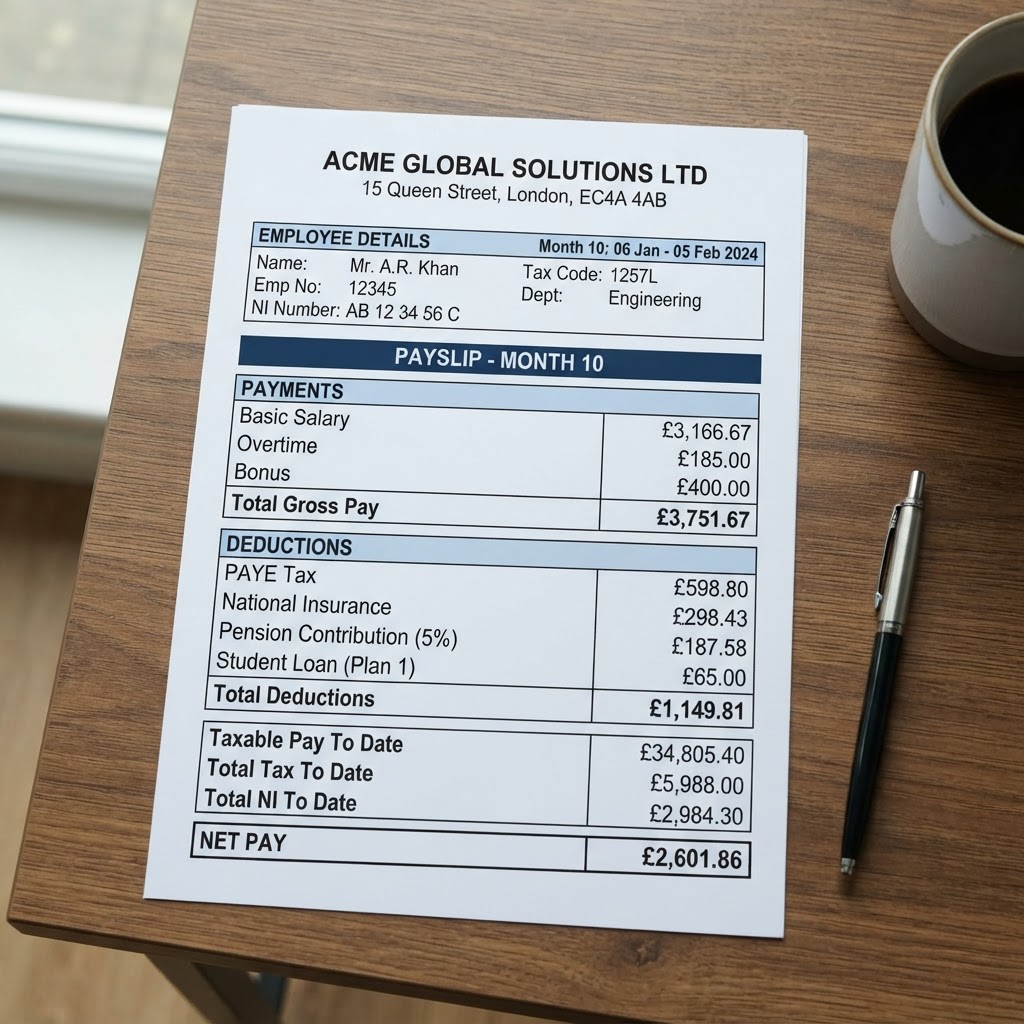
THE UK TAX SYSTEM IS SIMPLER THAN YOU THINK
If you're employed, your employer handles most of your tax through PAYE (Pay As You Earn). Tax is deducted from your salary before you receive it, so you don't need to file a tax return unless you have additional income.
- The UK tax year runs from 6 April to 5 April the following year
- Everyone gets a Personal Allowance — the first £12,570 you earn is tax-free (2026/27)
- Income above £12,570 is taxed at 20% (basic rate) up to £50,270
- Income between £50,271 and £125,140 is taxed at 40% (higher rate)
- Income above £125,140 is taxed at 45% (additional rate)
SCOTLAND HAS DIFFERENT INCOME TAX BANDS
If you live in Scotland, income tax rates are different — the basic rate is 19%, and there are more bands. Check the Scottish Government website for current rates if you live north of the border.
National Insurance: What It Is and Why You Need It
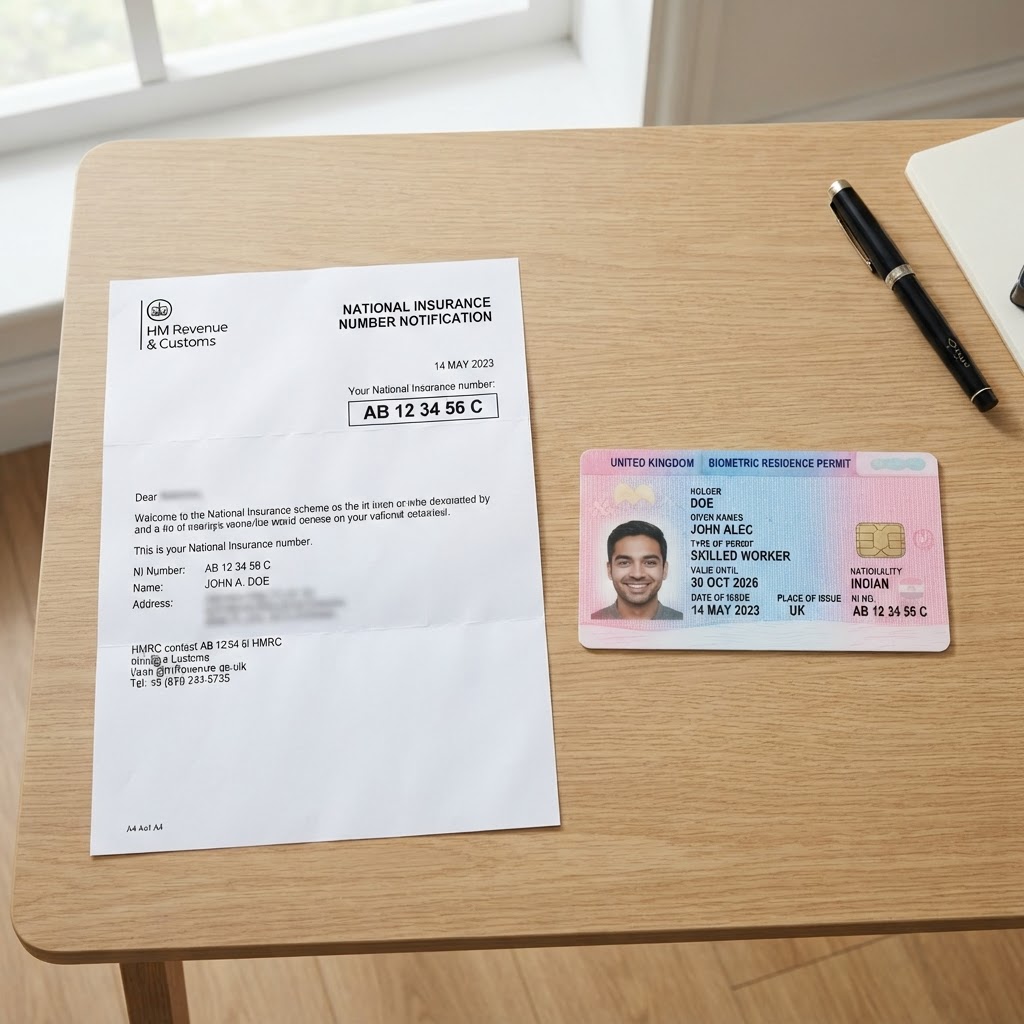
YOU NEED AN NI NUMBER TO WORK
Your National Insurance number is your unique ID for the UK tax and benefits system. You need it to work, pay tax, and access the NHS and state pension.
- If you have a biometric residence permit (BRP), your NI number is usually printed on it
- If not, apply online at gov.uk — it takes 2-4 weeks
- You can start work before you receive it — your employer uses a temporary number
- Your NI number never changes — keep it safe
NI CONTRIBUTIONS
You pay National Insurance on your earnings:
- 8% on earnings between £12,570 and £50,270 (Class 1, primary rate)
- 2% on earnings above £50,270
- Your employer also pays NI on your salary (13.8% above £9,100)
NI contributions qualify you for the State Pension and certain benefits. You need at least 10 years of contributions for any State Pension, and 35 years for the full amount.
Self Assessment: Do You Need to File a Tax Return?
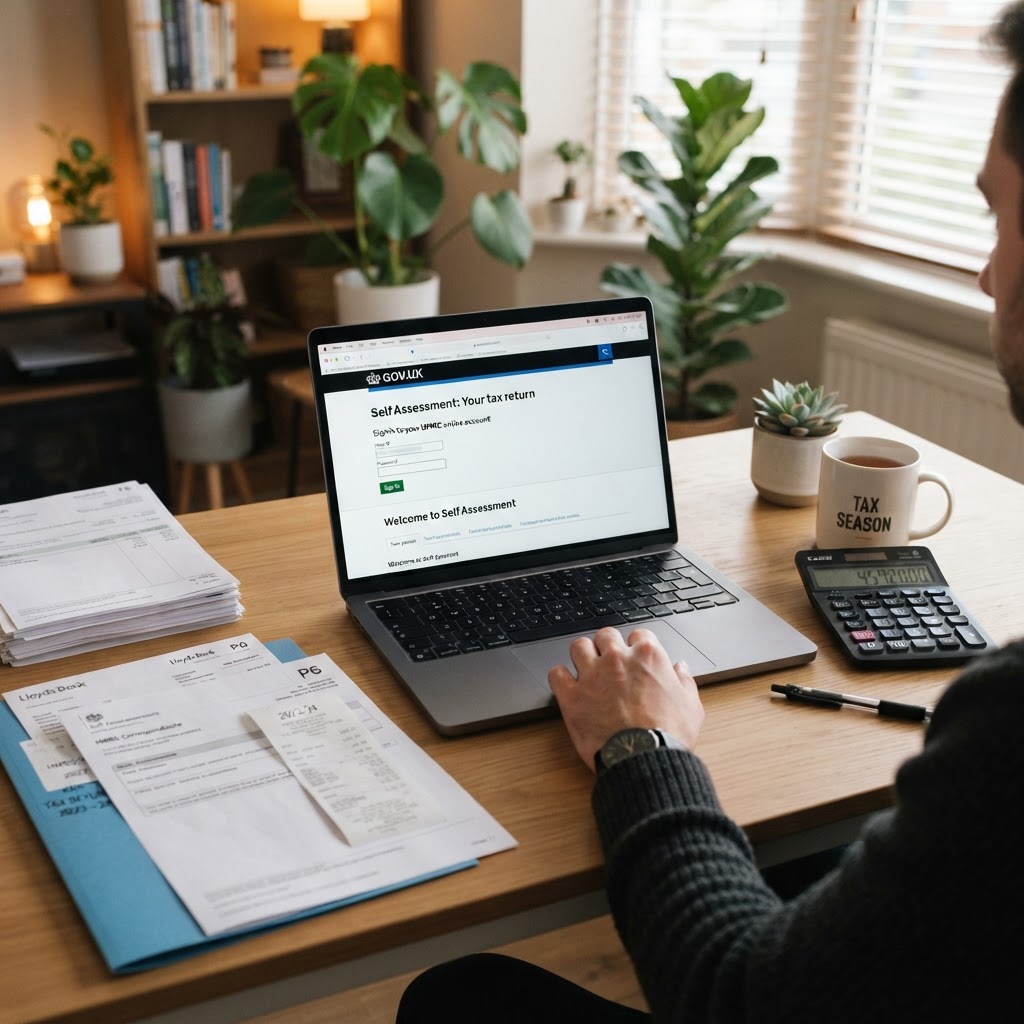
YOU MAY NOT NEED TO FILE A RETURN
Most employed people in the UK don't file a tax return — their tax is handled through PAYE. But you must file a Self Assessment return if:
- You're self-employed or a sole trader earning over £1,000/year
- You earn additional income from rental property, dividends, or savings
- You earn over £100,000 per year
- You need to claim certain expenses or reliefs
- You're a company director
HOW TO FILE A SELF ASSESSMENT
| Pos | Team |
|---|---|
| 1 | Register for Self Assessment on gov.uk by 5 October following the tax year |
| 2 | Keep records of all income and expenses throughout the year |
| 3 | File online by 31 January — the deadline for both filing and paying |
| 4 | Pay any tax you owe by 31 January to avoid penalties |
| 5 | You can also pay in instalments if you owe less than £30,000 |
USE ACCOUNTING SOFTWARE
If you're self-employed, use software like FreeAgent, Xero, or QuickBooks to track income and expenses. Many SA freelancers in the UK use FreeAgent — it's designed for small businesses and makes Self Assessment much easier.
Pensions: South African and UK

DON'T FORGET YOUR SA PENSION
If you had a pension in South Africa, you have options for what to do with it when you move to the UK.
- Leave it in SA: You can leave your SA pension invested and access it when you retire. Check with your provider about non-resident withdrawal rules
- Transfer to a UK scheme: You may be able to transfer to a UK pension scheme, but SA exchange control rules apply — you'll need SARS approval
- Cash it out: Some SA pensions allow you to cash out when you emigrate, but this may have tax implications in both countries
UK PENSIONS
When you work in the UK, your employer must enrol you in a workplace pension (auto-enrolment). You contribute 5% of your salary and your employer contributes 3%.
- The State Pension: Based on your NI contributions — you need 35 years for the full amount (currently £11,971/year)
- Workplace pension: Auto-enrolled if you earn over £10,000 and are 22+ years old
- Personal pension (SIPP): If you're self-employed, open a SIPP to save for retirement with tax relief
TRANSFERRING YOUR SA PENSION
Transferring a SA pension to the UK is complex. You'll need:
| Pos | Team |
|---|---|
| 1 | A SARS tax clearance certificate (emigration status) |
| 2 | Approval from your SA pension fund |
| 3 | A qualifying UK pension scheme (QROPS or QNUPS) |
| 4 | A financial adviser who specialises in cross-border pensions |
Always get professional advice before transferring a pension — mistakes can be costly and irreversible.
Pro Tips
Check your tax code every year
Your tax code (usually 1257L) tells your employer how much tax to deduct. If it's wrong, you could be paying too much or too little. Check your payslip and contact HMRC if it looks incorrect — you can claim back overpaid tax from previous years.
Keep records from day one
Keep all receipts, invoices, and bank statements for at least 5 years. If you're self-employed, use accounting software like FreeAgent or Xero to track income and expenses — it makes Self Assessment much easier and can save you thousands in legitimate deductions.
Use a SIPP if self-employed
If you're self-employed or a higher-rate taxpayer, opening a SIPP (Self-Invested Personal Pension) gives you tax relief on contributions. A £1,000 contribution costs a higher-rate taxpayer only £600 after tax relief — it's one of the best tax-saving opportunities in the UK.
Get advice before transferring your SA pension
Transferring a SA pension to the UK requires SARS approval, a qualifying UK scheme, and professional advice. Mistakes can trigger tax charges and lose transfer values. Always use a financial adviser who specialises in cross-border pensions — the cost is worth it.
Action Points
Check your tax code is correct
- 1.Check your tax code on your latest payslip
- 2.Look up what your code means on gov.uk
- 3.If it looks wrong, contact HMRC via the helpline or online
- 4.Claim back any overpaid tax from previous years
Review your SA pension options
- 1.Gather your SA pension statements
- 2.Contact your SA pension provider about non-resident options
- 3.Find a UK financial adviser who specialises in cross-border pensions
- 4.Get advice before making any transfer decisions
✅ Quick Checklist
Frequently Asked Questions
What is a tax code and how do I check mine?
A tax code tells your employer how much tax to deduct from your salary. The most common code is 1257L, which means you get the standard Personal Allowance of £12,570 tax-free. Check your tax code on your payslip — if it's wrong, you could be paying too much or too little tax. Contact HMRC if you think it's incorrect.
Do I need to file a UK tax return if I'm employed?
If you're employed and have no other income, you don't need to file a tax return — your tax is handled through PAYE. You must file a Self Assessment return if you're self-employed earning over £1,000, have rental income or dividends, earn over £100,000, or are a company director. The deadline is 31 January each year.
What should I do with my South African pension when I move to the UK?
You have three options: leave it in SA and access it when you retire, transfer it to a UK pension scheme (requires SARS approval and a qualifying UK scheme), or cash it out if your SA fund allows emigration withdrawals. Always get professional advice from a cross-border financial adviser before transferring — mistakes can be costly.
How many years of NI contributions do I need for the full State Pension?
You need at least 10 years of NI contributions to qualify for any UK State Pension, and 35 years for the full amount (currently £11,971/year). If you won't accumulate 35 years in the UK, you may be able to count years of contributions in South Africa under the UK-SA social security agreement. Check with the Department for Work and Pensions.
Free email · no account needed
More like this, straight to your inbox
Stories, guides and what's on for South Africans in the UK — plus every Boks, Proteas and Bafana fixture with the UK channel. Free.
Email only, unsubscribe any time. Privacy notice
Analytics
We'd like to use Google Analytics to count visits and see which pages get read. It stores an ID on your device. Say no and the site works exactly the same — nothing here affects signing in, the match-day poll or the newsletter, which don't need your permission because they only do what you asked for.
You can change this any time on our cookies and storage page.
Have your say
No account needed — say your bit and post. Disagreement welcome; abuse gets removed.
Nobody has said anything yet. Go on.